
Positive Classroom Management for Primary Teachers: Routines, Relationships and Fair Limits
A practical framework for calm primary classrooms using predictable routines, clear directions, positive reinforcement, restorative responses and supportive behaviour observation.
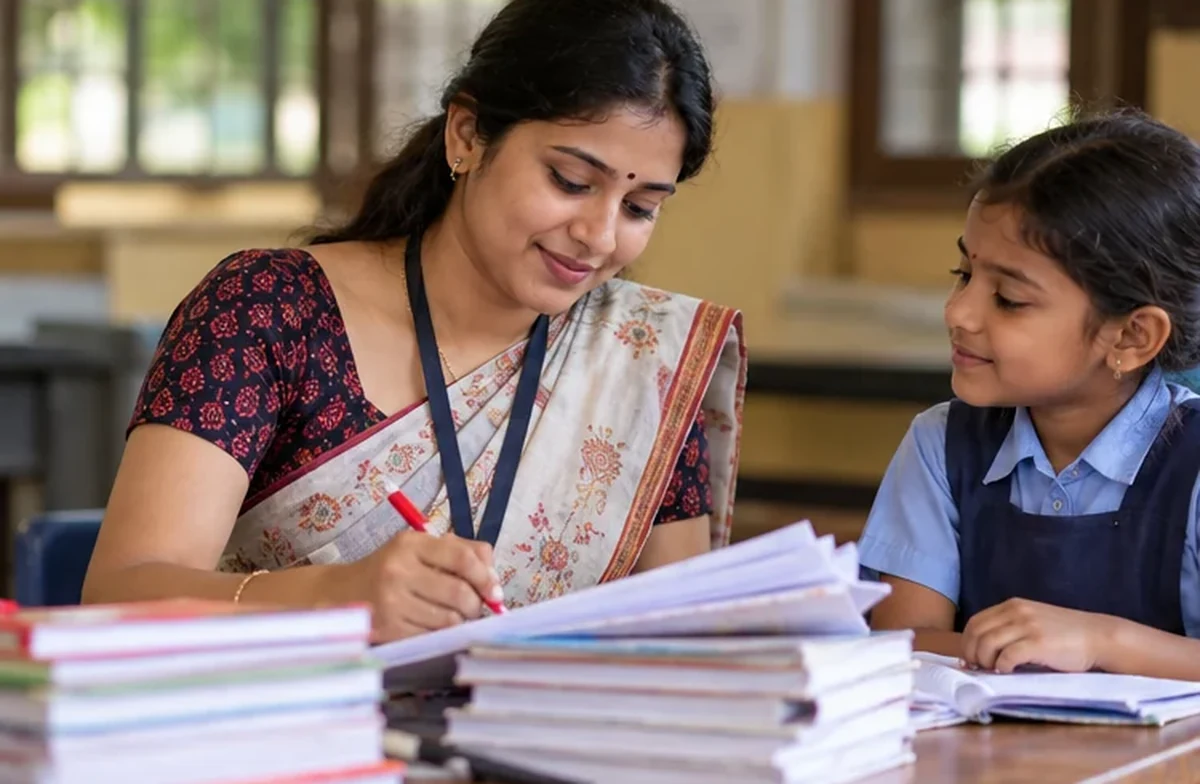
Good classroom management is not about keeping every child silent. It is about creating a safe, predictable environment where pupils know what to do, participate without fear and receive fair responses when behaviour interrupts learning. Clear routines and warm relationships prevent many problems before they become confrontations.
1. Teach routines explicitly
Do not assume children automatically know how to enter the room, collect materials, change activities, ask for help, work with a partner or pack away. Model each routine, practise it and give brief feedback. A materials monitor can collect books while other pupils begin a two-minute starter task. Predictability protects learning time and reduces repeated whole-class instructions.
Keep expectations few, positively worded and observable: “Listen while a classmate is speaking,” “Use materials safely,” and “Ask before leaving your place.” Explain why an expectation matters and show what it looks like. “Be good” is too vague for a child to act on consistently.
2. Give directions children can follow
Get attention before giving an instruction, use a manageable number of steps and display a visual reminder where helpful. Instead of “Everybody get ready and do the activity correctly,” say, “Write your name, circle the two verbs and then compare with your partner.” Ask a pupil to repeat the first step when the task is new. This checks whether the instruction was understood instead of assuming disobedience.
3. Use specific feedback
Specific feedback tells children which behaviour supports learning: “You waited until your partner finished and then added your idea.” It is more instructive than general praise alone. Notice quiet participation, persistence and thoughtful questions, not only speed or public performance. The long-term goal is for children to understand routines and take increasing responsibility, not to work only for a reward.
4. Prevent escalation with calm, consistent responses
When behaviour disrupts learning, keep the response proportionate and predictable. Move closer, use a brief reminder, offer a clear choice or redirect the learner to the expected action. Public arguments can give a small problem a large audience. If safety is at risk, follow school procedures and prioritise the well-being of children and adults.
- Describe behaviour, not the child's identity.
- State the expectation and next step clearly.
- Apply limits consistently and without humiliation.
- After the situation settles, discuss repair and what could help next time.
5. Ask what behaviour may be communicating
Repeated off-task behaviour can have many causes: confusion, a task that is too easy or too hard, fatigue, an unmet need for movement, peer conflict, unclear directions or difficulty communicating. Do not assume the cause from one incident. Record what happened before the behaviour, what the child did, how adults responded and what happened next. Patterns can guide a more helpful intervention.
6. Build active lessons and transitions
Children may become restless when required to listen passively too long or wait without a task. Break explanations into shorter chunks, include discussion or hands-on practice and prepare the next material before a transition. A movement break can be planned rather than used as a last-minute reward. Activity alone does not guarantee learning; each transition should support the goal.
7. Repair relationships after conflict
After disagreement or hurtful action, help pupils identify what happened, who was affected and what is needed to repair it. Keep the conversation safe and age-appropriate; do not force a child to confront someone who makes them feel unsafe. Follow safeguarding and behaviour policies for serious or repeated incidents. Restorative response is not ignoring harm; it makes responsibility and repair explicit.
8. First-week routine plan
- Day 1: practise entering, getting materials and ending the lesson.
- Day 2: practise listening, turn-taking and asking for help.
- Day 3: teach partner-work roles and respectful disagreement.
- Day 4: practise transitions between instruction, group work and independent work.
- Day 5: review routines with pupils and fix unclear instructions.
Review management as part of planning
After class, ask which routine worked, when pupils lost clarity and what the task required. A calm classroom is built through a consistent system, not a single clever trick. The teacher's tone, fairness, preparedness and willingness to listen all shape the environment in which children learn.
Official and further reading
Editorial note: Exam-cycle details can change. Confirm dates, eligibility, subject choices and instructions in the latest official notice before applying.
Frequently asked questions
Does positive discipline mean there are no consequences?
No. Expectations and fair limits still matter. Responses should be proportionate, consistent, respectful and aimed at safety, learning and repairing harm where appropriate.
What should I do when a child repeatedly disrupts lessons?
Record the pattern, check task difficulty and clarity, speak calmly with the child, consult family or the school support team as appropriate, and follow school policy.
Is praise enough to manage a classroom?
No. Effective management also requires clear routines, meaningful lessons, predictable directions, fair limits and supportive relationships.