
Inclusive Classroom Strategies for Mixed-Ability Primary Learners
Practical ways to make primary lessons accessible through flexible scaffolds, clear routines, multiple response formats and respectful collaboration.
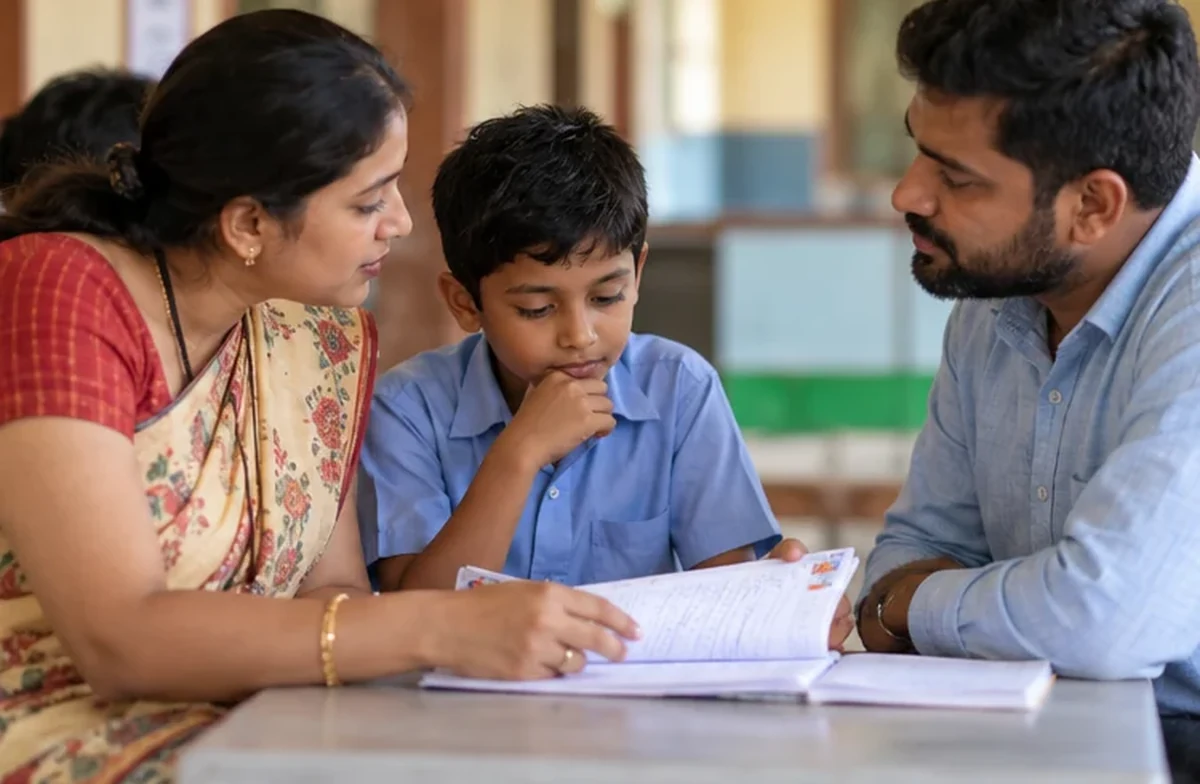
An inclusive classroom is not one where every child does exactly the same task in exactly the same way. It is a classroom where learners can participate meaningfully, barriers are noticed rather than blamed on children, and support is adjusted without lowering a child’s dignity or potential.
1. Start with the learning goal and likely barriers
Before a lesson, identify what pupils should learn and what might prevent them from accessing it. A long written instruction may create a reading barrier when the goal is science reasoning. A tiny diagram may create an access barrier for a learner with low vision. A public oral response may disadvantage a child who needs processing time. Thinking ahead lets the teacher change the format without changing the core goal unnecessarily.
The NCERT National Curriculum Framework for the Foundational Stage emphasises a safe and respectful learning environment, appropriate material, assessment and classroom processes. In practice, this means clear expectations, multiple ways to participate, supportive feedback and materials connected to children's experiences.
2. Offer more than one route into a task
A maths concept can be introduced with objects, a picture, an oral story and then a symbol. A vocabulary task can include spoken explanation, an image and a written word. A science observation can be recorded through a sketch, labels, oral report or sentences, depending on the objective and individual access needs. Variety should serve the learning goal, not create unnecessary complexity.
- Give directions verbally and visually.
- Break a multi-step task into smaller steps.
- Pre-teach essential vocabulary without giving away the answer.
- Allow extra processing time when it helps a learner demonstrate understanding.
- Provide larger print, clearer layouts or accessible digital material when needed.
3. Differentiate support, not children's worth
Flexible grouping helps a teacher target a current need. One group may use counters to understand place value, another may draw the model and another may compare two solution methods. Move pupils between groups as evidence changes. Avoid public labels such as “weak” and “bright”; labels can become expectations that limit participation.
Extension should deepen thinking rather than add more of the same. A child who finishes quickly might explain two methods, design a similar problem, evaluate an example or connect the idea to a new context. Additional work is useful when it advances the goal, not simply as a reward for speed.
4. Build a psychologically safe classroom
Students are more likely to ask questions when mistakes do not invite mockery. Correct the idea rather than the child's character. Use phrases such as “Let's test that method,” “What evidence supports the answer?” and “Which step could we check?” Establish norms against name-calling, teasing accents, disability-related comments or public comparisons. Intervene consistently when a pupil is excluded.
5. Make collaboration purposeful
Group work is not automatically inclusive. One child may do all the writing while another stays silent. Give roles such as reader, recorder, materials manager, questioner and reporter, then rotate them. Use pair discussion before whole-class sharing so more children can rehearse an idea. Monitor whose ideas are heard and invite participation without forcing a child to disclose personal information.
6. Work respectfully with families and specialists
Families often know what helps a child communicate, focus or participate. Ask neutral questions, share observable examples and agree on next steps. Avoid diagnostic labels unless they come through the appropriate process. If a disability or persistent learning difficulty is suspected, follow school policy and relevant support pathways; a classroom teacher observes and adapts instruction but does not make a medical diagnosis.
7. A practical lesson-planning checklist
- Is the goal clear in child-friendly language?
- Can pupils understand the directions in a suitable format?
- Are materials accessible and safe?
- Can children demonstrate understanding in a way that matches the goal?
- Have I planned a prompt for learners who are stuck and an extension for those who are ready?
- Will every child have a meaningful chance to participate?
8. Notice who is not participating yet
After a lesson, consider who spoke, who completed the task independently, who needed repeated prompts and who did not engage. Look for patterns: was the instruction too long, did the visual help, or did the group structure leave some pupils out? Adjust one feature and observe again. Inclusion is an ongoing process of planning, noticing and refining.
Official and further reading
Editorial note: Exam-cycle details can change. Confirm dates, eligibility, subject choices and instructions in the latest official notice before applying.
Frequently asked questions
Does inclusive teaching mean making work easier for everyone?
No. It means removing avoidable barriers and varying support so pupils can work toward meaningful learning goals. Some need more scaffolding; others may need a greater challenge.
Is group work always inclusive?
No. It needs clear roles, turn-taking and teacher observation so each pupil makes a meaningful contribution.
What should a teacher do if a child may have a learning difficulty?
Record observations, adapt classroom supports, speak respectfully with the family and follow the school’s referral or assessment process. Avoid diagnosing from classroom behaviour alone.